September 4, 2026
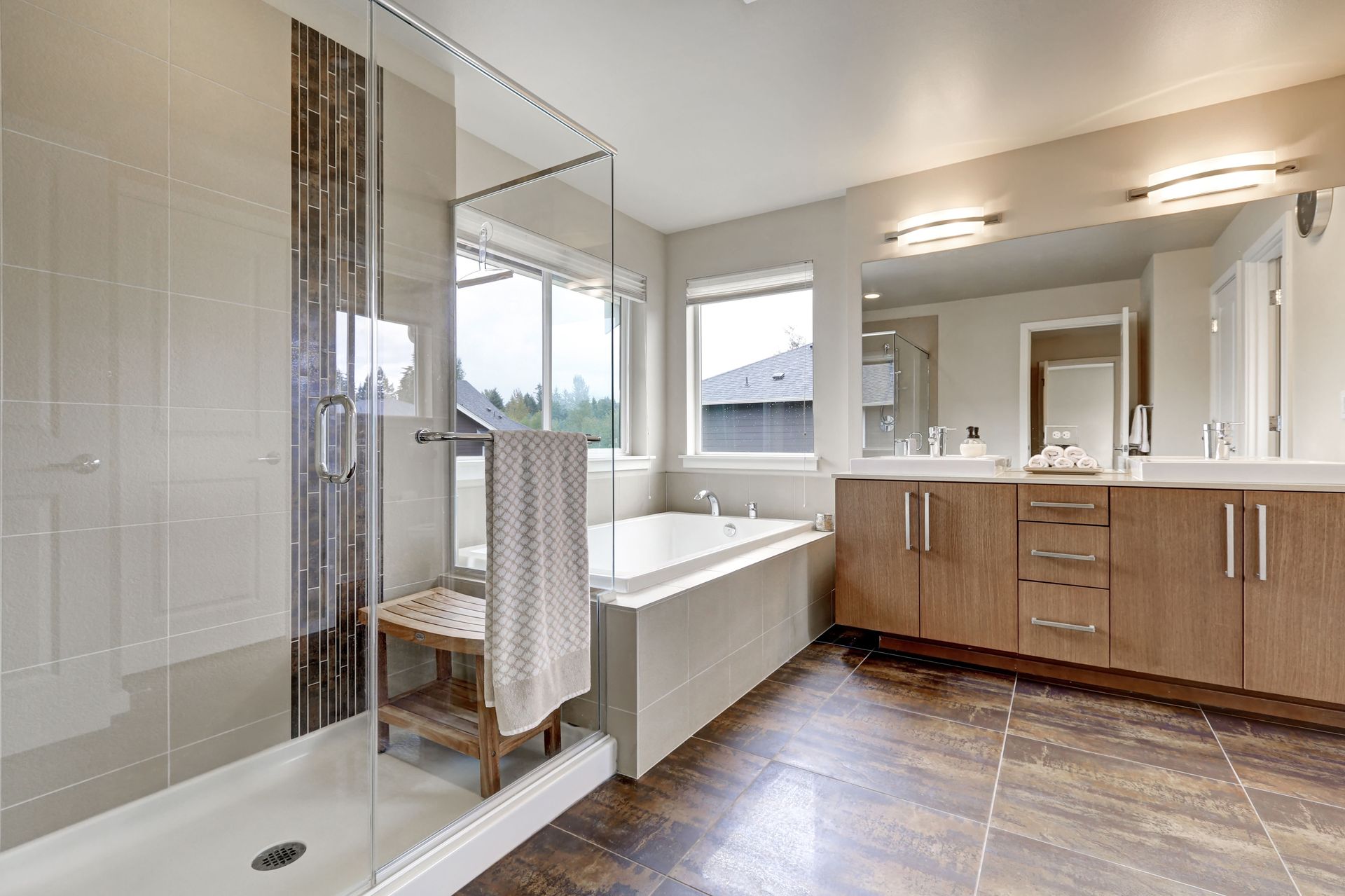
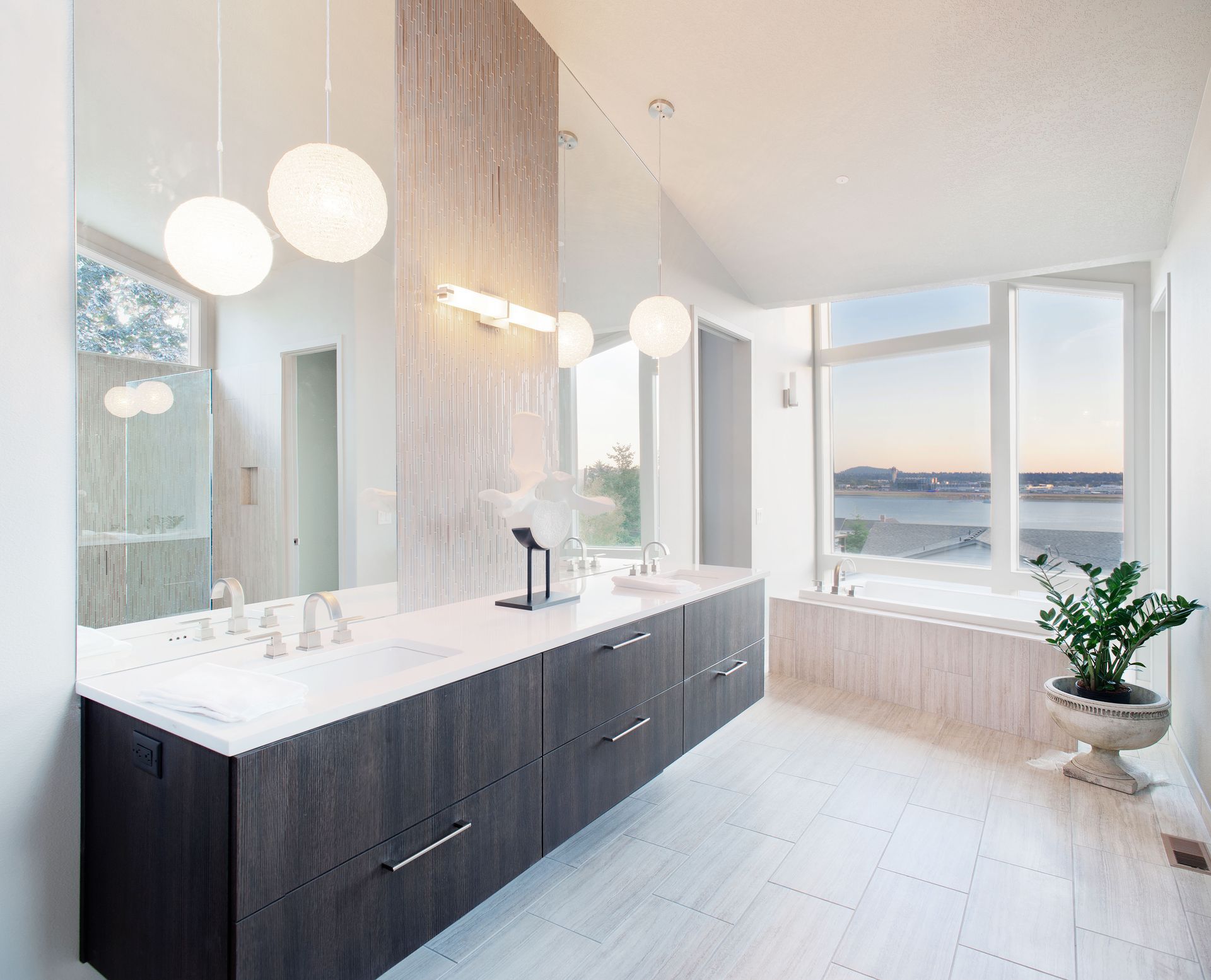
Bathroom improvements can influence far more than appearance. Because bathrooms are used every day, updates that improve comfort, function, durability, storage, and efficiency can make a meaningful difference in how a home feels over time. Well-planned bathroom renovations can also help a property remain more appealing to future buyers by addressing outdated materials, inefficient layouts, worn fixtures, and other concerns that may affect usability. While every home and market is different, thoughtful improvements can support long-term value by making the space more practical and visually current. Homeowners who focus on durable materials and functional upgrades rather than short-lived trends may be especially well positioned to get lasting benefits from their investment. The following seven reasons explain how renovating a bathroom can contribute to the home's overall value for years to come.
1. Improving Everyday Functionality
One of the strongest reasons to renovate a bathroom is to make the space easier to use. Older bathrooms may have awkward layouts, limited counter space, insufficient storage, poorly positioned fixtures, or features that no longer match the household's needs. Updating the layout can improve movement through the room and make daily routines more convenient. Homeowners may choose to reconfigure vanities, showers, tubs, toilets, or storage areas so the available space works more efficiently.
Bathroom renovations can also address practical concerns that have become more noticeable over time. A household may need additional storage, better lighting, improved ventilation, or easier access to frequently used items. These changes can make the room more comfortable without requiring unnecessary additions. When a bathroom functions well for current occupants and remains adaptable for future users, it can contribute to the home's broader long-term appeal.
2. Updating Worn or Outdated Materials
Bathrooms are exposed to moisture, temperature changes, cleaning products, and frequent daily use, so surfaces and fixtures can show wear over time. Chipped tile, stained grout, damaged vanities, peeling finishes, and outdated plumbing fixtures can make an otherwise well-maintained home feel older. Replacing these elements can refresh the room and help create a cleaner, more cohesive appearance that better reflects the condition of the rest of the property.
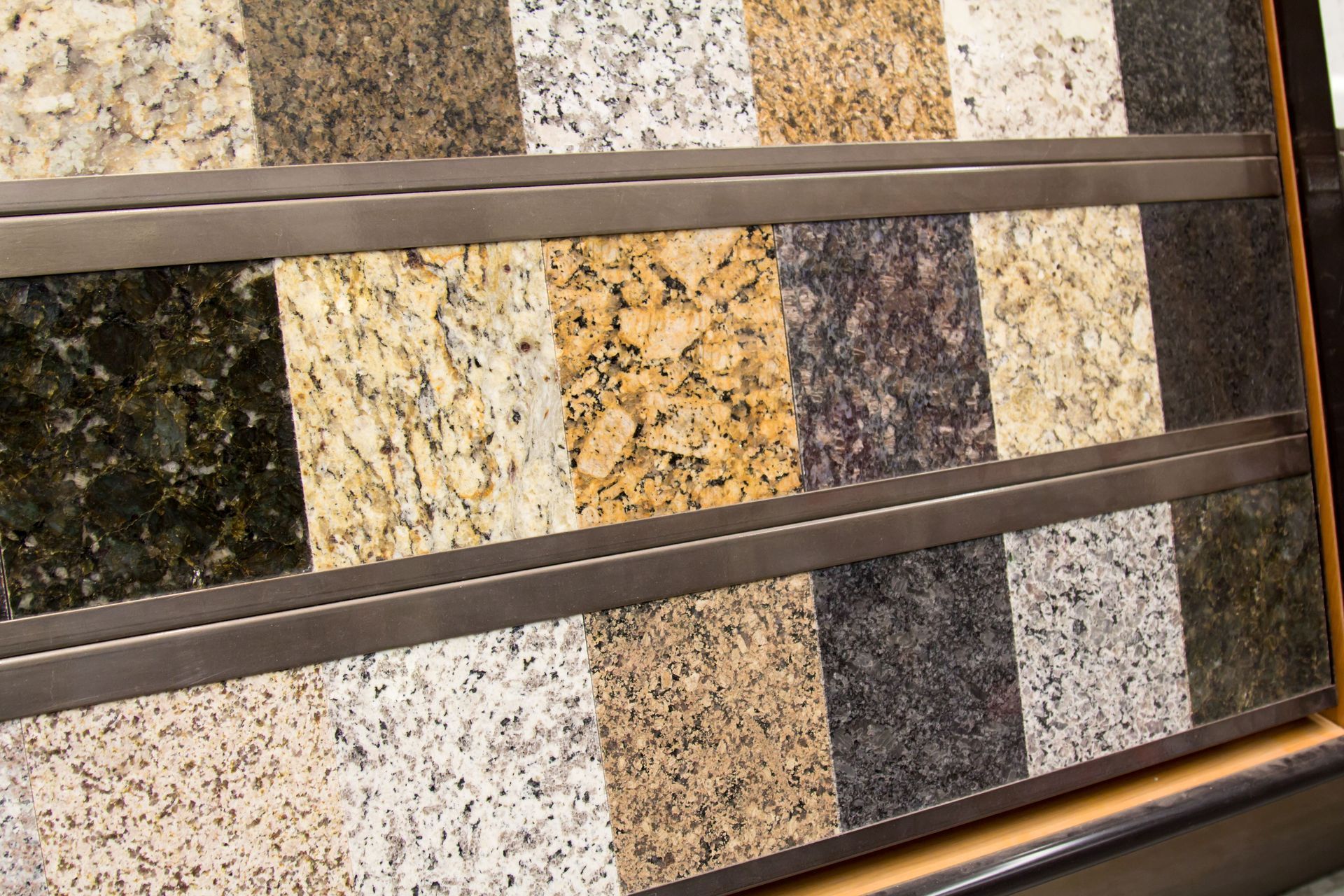
Choosing materials with durability in mind can make bathroom renovations more valuable over the long term. Tile, countertops, cabinetry, flooring, and fixtures should be selected not only for appearance but also for their ability to handle regular use and moisture. A neutral, well-coordinated design can often remain visually appealing longer than highly specific trends. Durable finishes may also reduce the likelihood that another major update will be needed soon.
3. Increasing Storage and Organization
Storage is an important part of bathroom functionality, especially in smaller spaces where every square foot matters. Older bathrooms may have only a small vanity or medicine cabinet, leaving little room for towels, toiletries, cleaning supplies, and other necessities. Adding larger vanities, recessed shelving, linen storage, drawers, or built-in cabinetry can help keep the room organized and reduce clutter on visible surfaces.
Thoughtful storage improvements can make bathroom renovations feel more substantial even when the overall footprint remains unchanged. Pull-out organizers, divided drawers, wall-mounted cabinets, and customized shelving can create dedicated places for frequently used items. Better organization can also help the bathroom appear larger and more orderly. For future buyers, practical storage is often easier to appreciate than decorative upgrades alone because it directly affects how the space functions.
4. Improving Energy and Water Efficiency
Modern fixtures can help a bathroom use water and energy more efficiently. Older toilets, faucets, showerheads, lighting, and ventilation systems may use more resources than newer options designed with efficiency in mind. Replacing these components can reduce waste while supporting more consistent performance. Homeowners may also choose LED lighting, improved exhaust fans, or other features that help the room operate more efficiently without changing how it is used.
According to HomeGuide, experts suggest allocating 5% to 15% of a home's value for kitchen or basement projects and 1% to 7% for bathroom, bedroom, or living room updates. This guideline can help homeowners think about bathroom renovations in relation to the overall value of the property rather than treating the project as an isolated expense. Selecting efficient fixtures can add practical benefits while helping the updated space remain relevant as homeowners increasingly consider operating costs and resource use.
5. Enhancing Comfort and Accessibility
A bathroom should be comfortable and easy to use for the people who rely on it every day. Renovation provides an opportunity to make the room more accommodating through features such as larger showers, better lighting, improved flooring, comfortable vanity heights, and easier-to-use fixtures. These adjustments can make daily routines more convenient and may allow the bathroom to serve household members with different needs more effectively.
Bathroom renovations can also incorporate accessibility-focused features that may become increasingly useful over time. Curbless showers, wider entryways, handheld showerheads, strategically placed grab bars, and slip-resistant flooring can make the room easier to navigate. Homeowners do not necessarily need to make the space look institutional to improve accessibility. Many modern products integrate these features into attractive designs, helping the bathroom remain functional as household needs change.
6. Correcting Moisture and Maintenance Problems
Bathrooms naturally contain significant moisture, and poor ventilation or aging materials can contribute to recurring maintenance issues. Damaged grout, deteriorating caulk, water stains, loose tiles, and inadequate ventilation may indicate problems that should be addressed before they become more extensive. A renovation gives homeowners a chance to remove failing materials, inspect underlying surfaces, and correct issues that may otherwise remain hidden.
Properly planned bathroom renovations can also include updated waterproofing, improved ventilation, and moisture-resistant materials. These elements may not be the most visible parts of the finished room, but they play an important role in protecting surrounding walls, floors, and structural components. Addressing moisture management during renovation can help reduce the risk of future damage and support the long-term performance of the space.
7. Strengthening Future Buyer Appeal
Bathrooms often receive close attention from prospective buyers because they are expensive and disruptive to update after moving in. A clean, functional, and current bathroom can help a home feel more move-in ready, while a severely outdated space may cause buyers to anticipate additional work. Renovating before selling is not always necessary, but well-maintained bathrooms can contribute to a more positive overall impression of the property.
Bathroom renovations can have broader appeal when design choices remain balanced and practical. Neutral tile, quality fixtures, adequate storage, good lighting, and functional layouts tend to work for a wide range of preferences. Highly personalized features may be less universally appealing, so homeowners focused on long-term value may benefit from selecting finishes that complement the home's overall character. A bathroom that feels updated without being overly specific can remain attractive to both current occupants and future buyers.
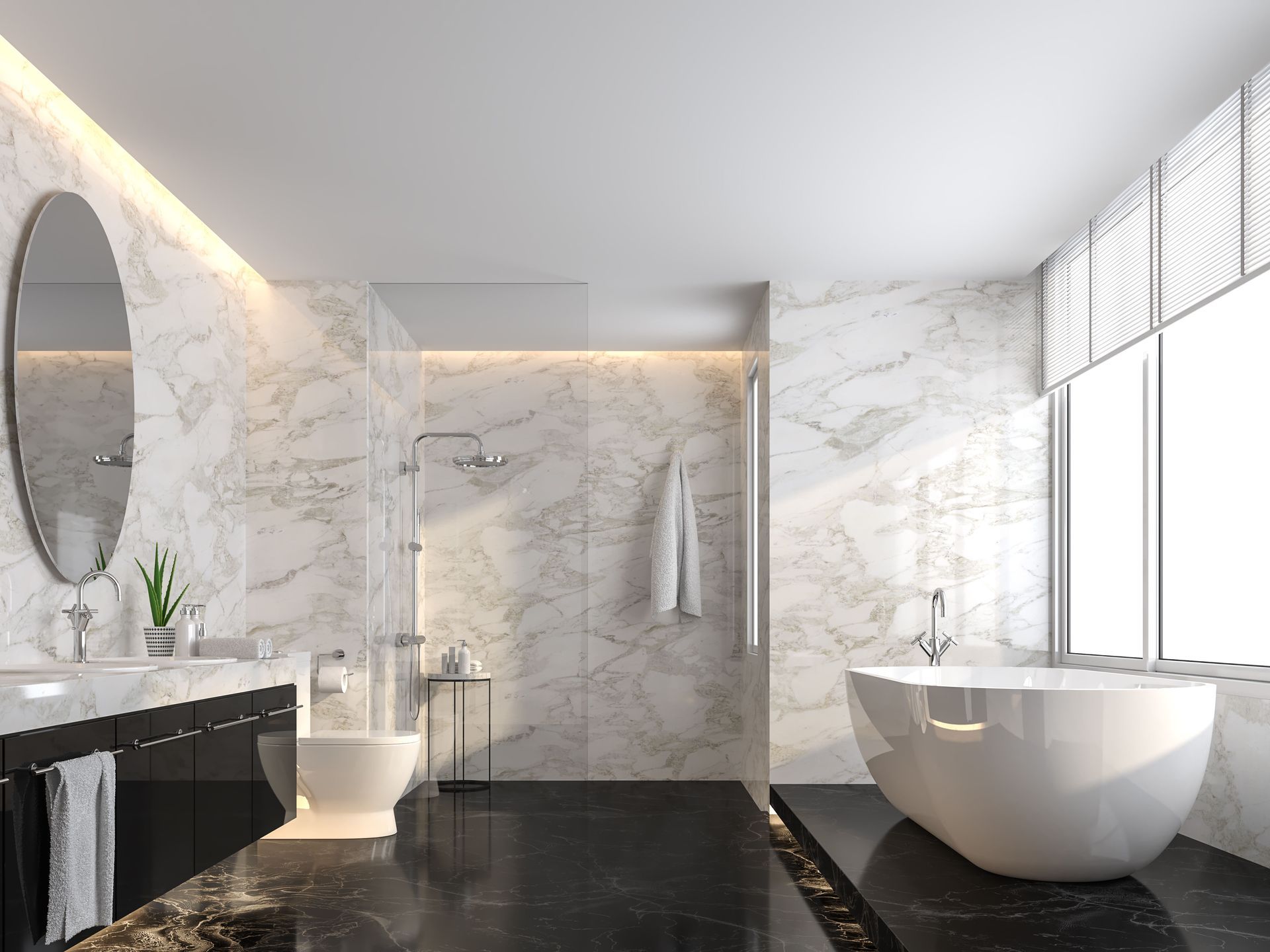
Improving a bathroom can support long-term home value by making the space more functional, durable, organized, efficient, comfortable, and appealing. The most successful projects tend to balance design with practical considerations such as moisture control, storage, accessibility, and material longevity. Bathroom renovations can also help homeowners correct existing problems before they become more expensive while creating a room that better suits daily routines. By planning carefully and selecting improvements that fit the property, homeowners can create lasting benefits that extend beyond appearance alone. If you are considering an update and want help selecting materials and design options for your space, contact Galaxy Tile of Princeton to discuss your project.