August 4, 2026
Bathroom renovation decisions often begin with colors, layouts, and visual inspiration, but the success of the finished space depends largely on the materials selected before construction begins. Bathrooms face constant moisture, temperature changes, frequent cleaning, and daily wear, so every surface must do more than look attractive. Flooring, wall tile, countertops, cabinetry, fixtures, grout, and waterproofing products all influence how well the room performs over time. In local bathroom renovations, material selection affects durability, maintenance, comfort, safety, budget, and even the speed of installation. Choosing carefully at the start helps homeowners avoid premature damage, mismatched finishes, and costly replacements while creating a space that supports everyday routines and complements the rest of the home.
Evaluating Moisture Resistance
Bathrooms are exposed to more moisture than most other rooms, making water resistance one of the first qualities homeowners should consider. Steam, splashes, condensation, and minor leaks can affect walls, floors, vanities, and trim. Materials that absorb water may swell, stain, warp, or create conditions that encourage mold and mildew. Porcelain tile, properly sealed stone, moisture-resistant cabinetry, and suitable wall products can help the room withstand these demands. Selecting products designed for wet environments creates a stronger foundation and reduces the chance that attractive surfaces will deteriorate soon after installation.
Water resistance also depends on the materials hidden beneath the finished surfaces. Backer boards, membranes, sealants, grout, and underlayments work together to protect the surrounding structure. A beautiful shower tile cannot compensate for an inadequate waterproofing system, and a durable floor may still fail if the subfloor is not prepared correctly. Coordinating surface materials with proper installation components helps keep moisture from reaching the framing, insulation, and nearby rooms.
Balancing Durability and Style
Homeowners naturally want a bathroom that reflects their design preferences, but appearance should be balanced with long-term performance. Delicate finishes may look impressive in a showroom yet struggle under frequent use, harsh cleaning products, or heavy traffic. Families with children, older adults, or multiple household members may need especially resilient flooring, countertops, and hardware. Durable products can still provide color, texture, and visual character without requiring constant repairs. Thoughtful selection allows local bathroom renovations to achieve a polished look while remaining practical for the people who use the space every day.
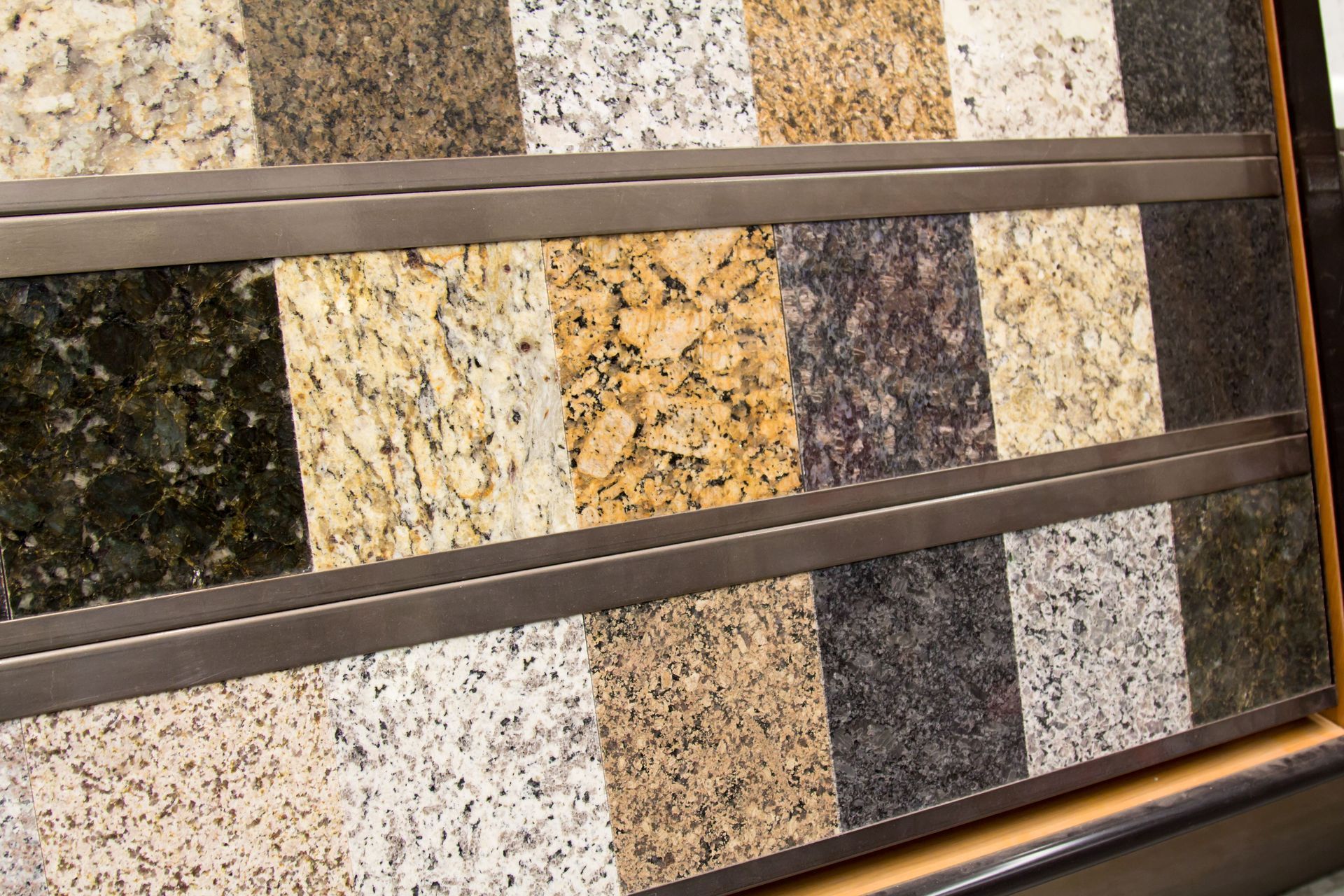
Style decisions should also account for how materials will age. Some finishes develop a natural patina, while others may show scratches, water spots, fading, or discoloration more quickly. Comparing samples under the bathroom's actual lighting can reveal undertones and textures that are not obvious in a showroom. This process helps homeowners choose materials that remain appealing beyond the initial installation.
Controlling Maintenance Requirements
Every material has different cleaning and maintenance needs. Natural stone may require periodic sealing, glass shower panels may show mineral deposits, and detailed grout patterns can take longer to clean. Smooth, nonporous surfaces are often easier to maintain, while textured materials may provide traction but collect more residue. Homeowners should consider how much time they realistically want to spend on upkeep. Material choices that match the household's cleaning habits can make local bathroom renovations more convenient and prevent frustration after the project is complete.
Some finishes can be damaged by acidic cleaners, abrasive pads, bleach, or strong chemicals. Grout color, countertop composition, fixture finish, and cabinet material can all influence how easily the room stays clean. Selecting durable, low-maintenance products may also reduce long-term costs by limiting the need for refinishing, resealing, or early replacement.
Improving Safety and Accessibility
Material selection has a direct effect on bathroom safety. Wet floors can become slippery, sharp edges may create hazards, and poorly chosen surfaces can make movement difficult for people with limited mobility. Slip-resistant flooring, textured shower bases, rounded countertop edges, and secure grab-bar backing can make the room easier to use. Incorporating safer materials can support children, guests, and residents as their needs change over time.
Highly reflective surfaces may create glare, while very dark materials can make it harder to see changes in floor level. Contrasting colors can help distinguish walls, floors, countertops, and fixtures. Materials should also support the stable installation of seating, handrails, and other accessibility features when needed. Planning for these details early is more efficient than modifying finished surfaces later. A bathroom that combines safety with cohesive design can remain functional without looking institutional.
Managing Renovation Budgets
Materials often represent a substantial portion of a renovation budget, so selecting them carefully helps homeowners control costs. The least expensive option is not always the most economical if it wears out quickly, requires frequent maintenance, or creates installation problems. At the same time, premium materials may not be necessary for every surface. Homeowners can prioritize spending on high-use areas such as shower systems, flooring, countertops, and cabinetry while choosing more affordable options for decorative details. This balanced approach helps local bathroom renovations deliver lasting value.
According to market.us, nearly 70% of the end-use market comes from residential projects, reflecting the growing interest in bathroom renovations and home upgrades. Costs should be evaluated alongside installation requirements, delivery fees, waste allowances, and expected service life. A material that requires specialized labor or additional structural support may cost more than its listed price suggests. Reviewing the full installed cost creates a more accurate budget.
Coordinating Installation Requirements
Different materials require different preparation, tools, adhesives, curing times, and installation skills. Large-format tile may need an especially level surface, natural stone may require reinforced support, and certain countertops may need precise templates before fabrication. If these requirements are not considered during planning, the project may experience delays or unexpected labor charges. Selecting compatible products helps contractors organize each phase efficiently. For local bathroom renovations, clear material decisions also allow orders to be placed early enough to account for manufacturing and delivery schedules.
Tile size affects grout lines and cuts, vanity depth affects walking space, and fixture dimensions affect plumbing placement. Even small differences can create conflicts around doors, outlets, mirrors, or shower enclosures. Contractors should review specifications before rough plumbing, electrical work, and framing are finalized. When materials are selected early, the room can be built around accurate measurements rather than estimates, reducing the need for last-minute modifications.
Creating a Cohesive Final Design
A successful bathroom should feel unified rather than assembled from unrelated products. Flooring, wall tile, countertops, cabinetry, metals, and paint should share compatible colors, textures, and proportions. Contrast can add interest when it is intentional and repeated throughout the room. Comparing physical samples together helps homeowners see how materials interact. This step is especially important in local bathroom renovations because lighting, room size, and surrounding architecture can affect how each finish appears in the completed space.
Materials should complement nearby hallways, bedrooms, and other renovated areas so the transition feels natural. A modern bathroom in a traditional home can still work when selected finishes reference existing wood tones, shapes, or architectural details. Choosing a clear palette before purchasing prevents impulsive decisions and makes it easier to evaluate new options. The result is a bathroom that looks purposeful, supports the home's character, and remains visually appealing for years.
Material selection influences nearly every part of a successful bathroom project, from moisture protection and durability to maintenance, safety, installation, and visual consistency. Making these decisions early gives homeowners more control over the budget and helps contractors plan the work around accurate product requirements. It also reduces the likelihood of choosing finishes that look appealing but fail to meet the demands of a frequently used wet space. By approaching local bathroom renovations with a clear understanding of performance and design, homeowners can create rooms that remain comfortable, attractive, and dependable over time. To explore materials and expert guidance for your next bathroom project, contact Galaxy Tile of Princeton.